Costs & planning
What actually drives the cost of a paver patio
Two patios the same size can differ enormously in price. Here is what moves the number, and which savings cost you more later.
Read →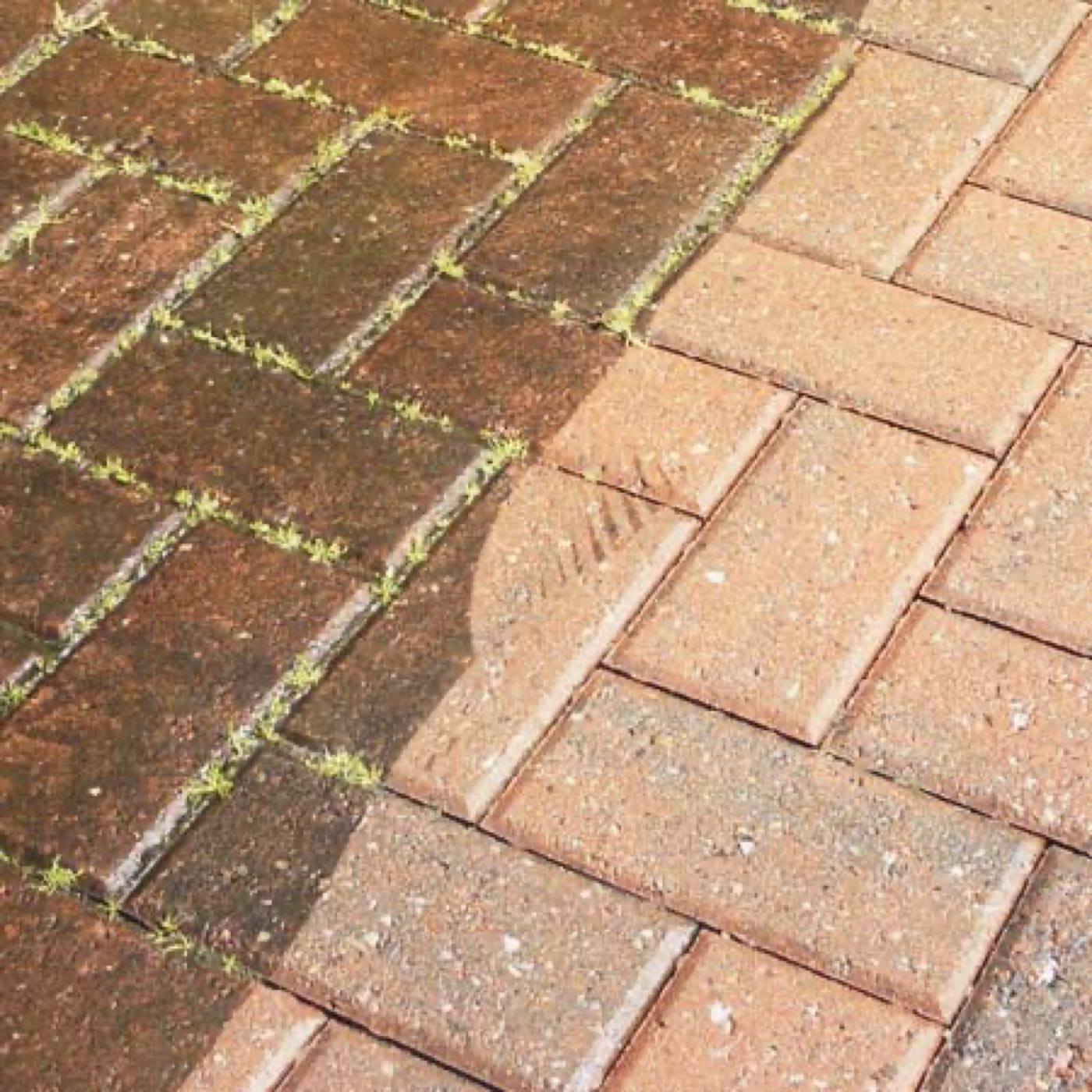
Maintenance · 5 min read
Sealing is worth doing and easy to do badly. Timing, frequency, and the mistake that turns a patio cloudy.
Introduction
Sealing divides opinion, mostly because plenty of people have seen it done badly. Done properly it protects the surface, locks the joints and deepens the colour. Done at the wrong moment or with the wrong product it traps moisture and turns a patio hazy.
Here is how we approach it in this climate.
(01)
Three things, and it is worth being clear which ones you care about.
It resists staining — grease from a grill, leaf tannin, rust from furniture feet. It stabilises the joint sand so it does not wash out in a downpour and so weeds struggle to establish. And it changes the appearance, from a slight colour deepening to a distinct wet look depending on the product.
What it does not do is stop the surface fading in UV, and it does not fix anything structural. A patio settling because of a poor base seals just as badly as it looked before.
(02)
New concrete pavers can leach efflorescence — a white haze of mineral salts working out of the material. If you seal over that, you seal it in, and it is difficult to remove afterwards.
The conventional guidance is to let a new installation weather through a season before sealing so any efflorescence has come out and been washed off. It is worth the wait.
(03)
Sealing a damp surface. If moisture is in the paver or in the joints when the sealer goes on, it gets trapped underneath, and it shows as a milky white blush that is a genuine nuisance to correct.
This is why sealing is a weather-window job: a properly dry surface, a couple of dry days behind you and ahead of you, and moderate temperatures. In our climate that usually means spring or autumn rather than the middle of a humid summer.
(04)
It depends on exposure far more than on a number. A patio in full sun with heavy use needs it more often than a sheltered one that is walked on twice a week.
The practical test: splash some water on it. If it beads, the sealer is working. If it soaks straight in and darkens the paver, it is time.
Shaded patios — common on wooded <a href="/davidson-hardscapes">Davidson</a> lots — have a different problem. They stay damp and grow algae, so cleaning matters as much as sealing.
(05)
Sealing over a dirty patio locks the dirt in. The surface has to be properly cleaned and fully dried first, and any joint sand that has washed out needs replacing before the sealer goes down.
A word on pressure washing: too much pressure blasts sand out of the joints and can erode the paver face itself. It is the most common way homeowners damage their own patio. Our <a href="/paver-clean-seal">clean and seal service</a> exists largely because of what we have been called in to fix.
(06) Questions
Related services
More from the blog
All articles →Costs & planning
Two patios the same size can differ enormously in price. Here is what moves the number, and which savings cost you more later.
Read →Materials
Both work here. But our clay and our freeze-thaw cycles push the answer one way more often than the other.
Read →Retaining walls
Almost every failed wall we are called to has the same three causes. None of them is the block.
Read →Free on-site estimate
Tell us what you have in mind. We come out, walk the ground with you, and put a clear written estimate in your hands.
Request an estimate
Send the details and we will come out, walk the ground with you, and put a clear written estimate in your hands. No cost, no obligation.